
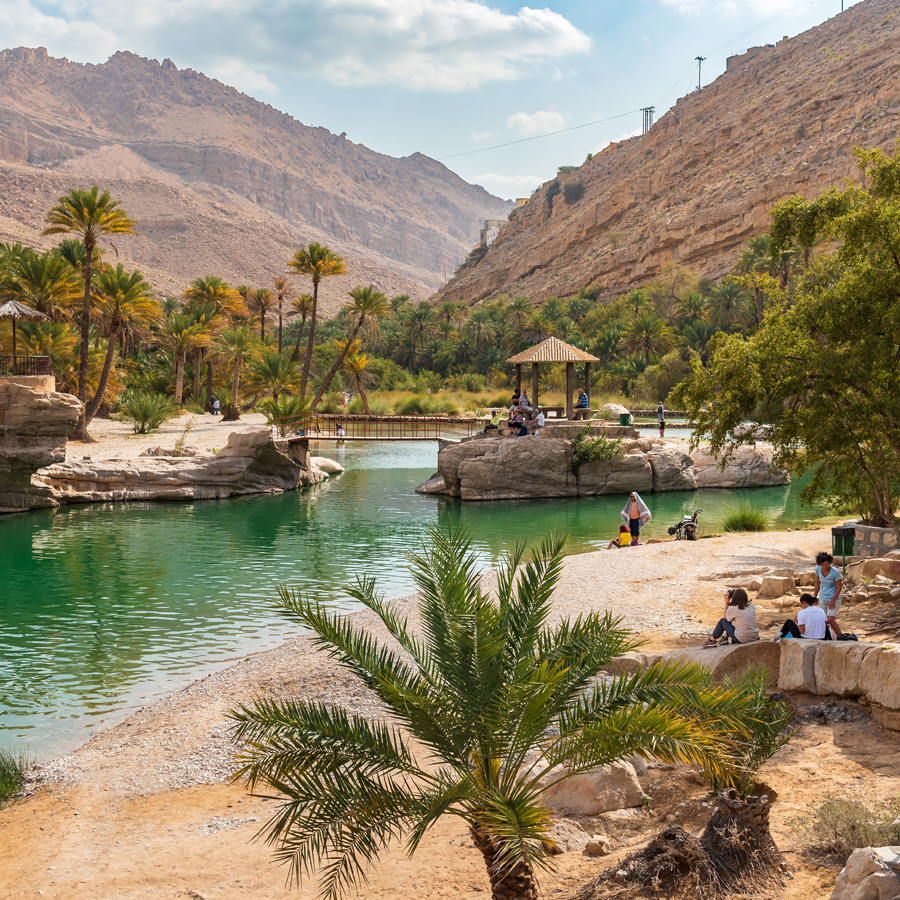
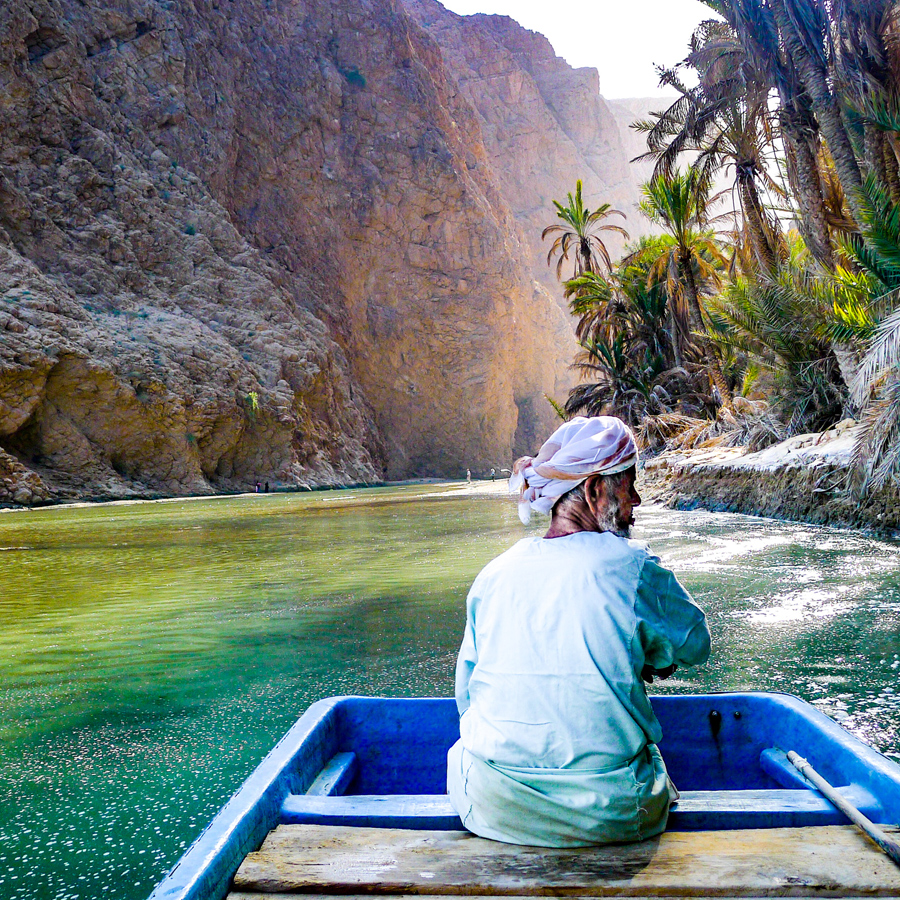
Located at the crossroads of the Arabian Peninsula, Africa and Asia, the Sultanate of Oman has quietly and quickly become one of the Gulf’s most dynamic economies.
Known as the Middle East’s Switzerland, the open, oil-rich nation has reinvented itself by embracing new industries in line with the wide-ranging Vision 2040 development plan it launched in 2020.
The US is now the second-biggest investor in Oman after the UK. By the end of June 2025, it was responsible for inflows worth $21 billion — 27% of the Middle Eastern nation’s entire foreign direct investment (FDI) stock. And the number of US firms operating in the sultanate is expanding at a pace, with American investment volumes rising by over a fifth in the first half of 2025.
1st
in Quality of Life Index in Middle East / Arab World
4th
Safest country in the World according to Numbeo ranking
2nd
in Logistics Performance Index for Middle East
12.8 %
increase in FDI in one year
1st
in region in terms of contribution of education sector to GDP
8th
lowest corporate tax rate worldwide (15%)
Interviews
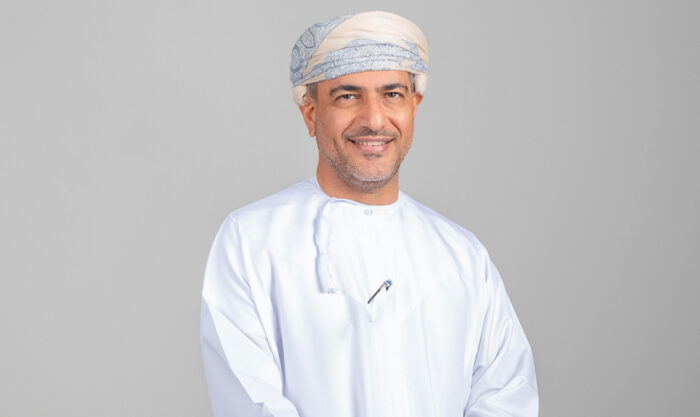
Interview with Mohsin Hamed Saif Al Hadhrami, Undersecretary of the Ministry of Energy and Minerals
"Through innovation and partnership with the private sector and scientists, Oman is advancing clean energy and securing critical minerals for a sustainable and prosperous future."
12 February, 2026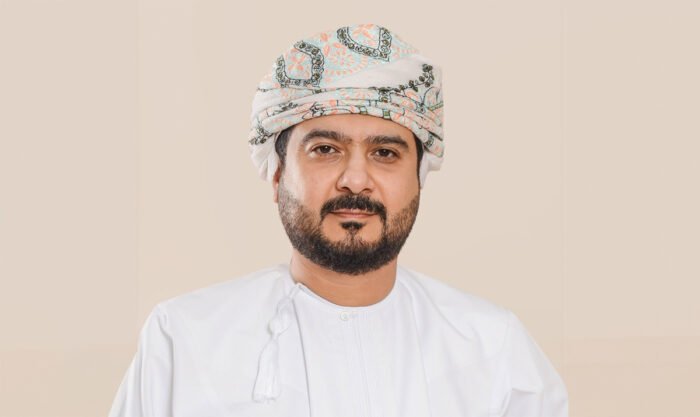
Interview with Qais bin Mohammed Al Yousef, Former Minister of Commerce, Industry and Investment Promotion, Oman
"We are building an economy that’s more diverse and more sustainable while staying open to international partners."
12 February, 2026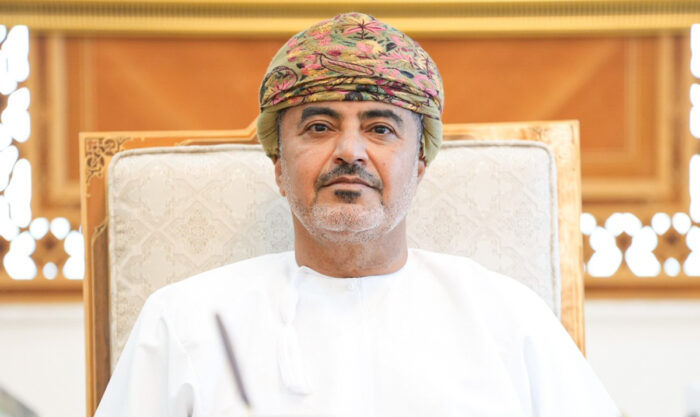
Interview with Saeed bin Hamoud bin Saeed Al Mawali, Minister of Transport, Communications and Information Technology, Oman
"Cybersecurity and digital resilience are central to Oman’s national strategy for protecting critical infrastructure and advancing digital transformation, and the country ranks highly in the Global Cybersecurity Index due to its strong policies, infr
12 February, 2026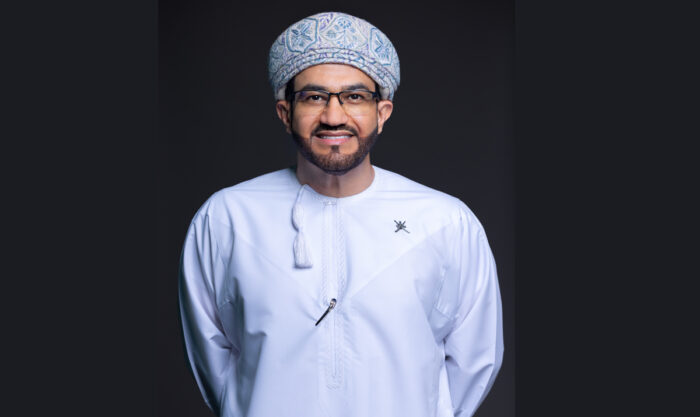
Interview with Aflah Al Hadhrami, Managing Director of Petroleum Development Oman
"Today, PDO remains the largest producer of oil and gas in Oman, responsible for around 70% of national crude output in 2025. But beyond the numbers, PDO is a national institution that carries the weight of Oman’s economic security and future aspirat
12 February, 2026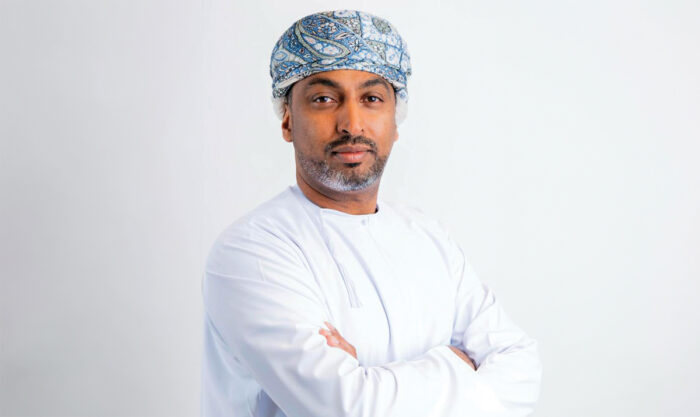
Interview with Hamed Naamany, CEO of Oman LNG
"In terms of making new connections with US LNG producers specifically, our approach is to leverage Oman’s untapped potential alongside the US’s abundant resources, creating opportunities to access markets together."
12 February, 2026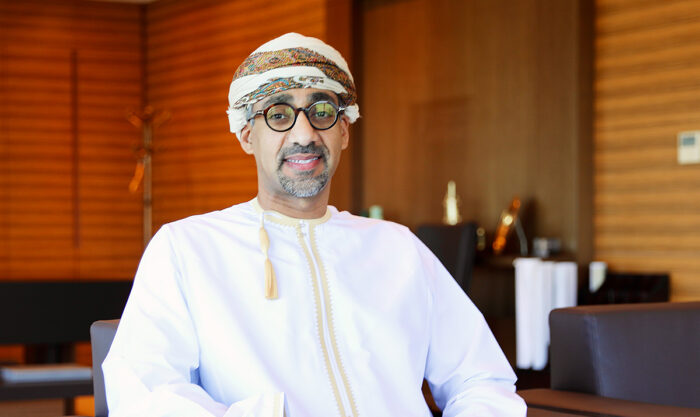
Interview With Moataz Al Riyami, Managing Director, CC Energy Development (CCED), Oman
Oman’s oil and gas industry remains a cornerstone of the national economy, accounting for about 30% of gross domestic product and 70% of government revenues. In recent years, reforms promoting privatization, public investment and diversificati
12 February, 2026
Interview with Khalid Al Balushi, CEO of Oman National Investments Development Company (TANMIA)
"Today, TANMIA is one of the largest private equity players in Oman, with a diversified portfolio of around 20 companies across sectors such as aviation, food, agriculture, manufacturing, mining, energy and technology; sectors that are fully aligned
12 February, 2026
Interview with Aladdin Bait Fadhil, CEO at Oman Telecommunications Company (Omantel)
"Collaboration has always been central to Omantel’s success. We firmly believe that if you don’t yet have the expertise, the best approach is to partner with those who do — and that philosophy continues to guide us."
12 February, 2026
Interview with Maqbool Al Wahaibi, CEO of Oman Data Park (ODP)
"The structure is in place and, over the next decade, Oman Data Park will be the key mover of Oman’s digital contribution to the GDP, connecting closely with the global digital ecosystem, especially the US and Silicon Valley."
12 February, 2026
Interview With Said Al Mandhari, CEO of ITHCA Group, Oman
"Oman is an evolving country with many opportunities. Its competitive advantages — especially human capital and strategic location — don’t just make it unique, they allow Oman to integrate with regional markets rather than compete."
12 February, 2026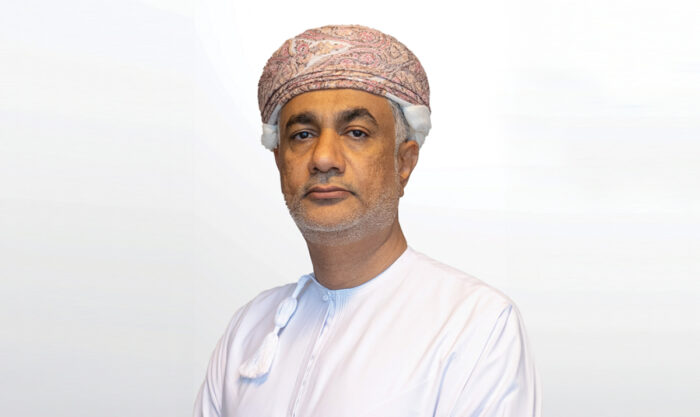
Interview with Ahmed Al Amry, CEO of Oman Airports
"Oman Airports is more than an operator; it is a catalyst for national progress. Our airports are gateways of opportunity, connecting Oman to the world and the world to Oman."
12 February, 2026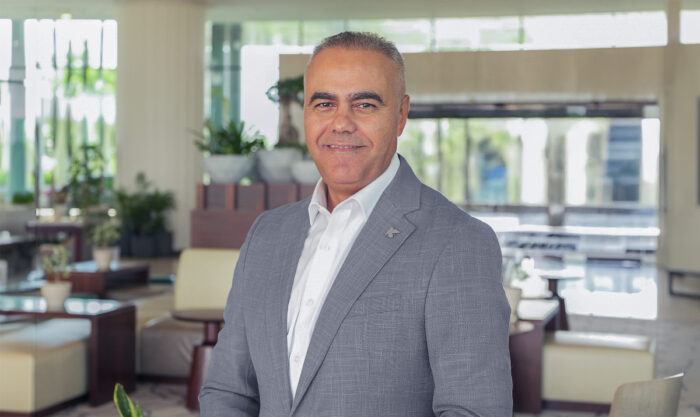
Interview with Samir Messaoudi, General Manager of JW Marriott Hotel Muscat, Oman
"US and luxury travelers look for unique experiences, and Oman is perfectly positioned for that with its mountains, desert and the Ad Dimaniyat Islands."
12 February, 2026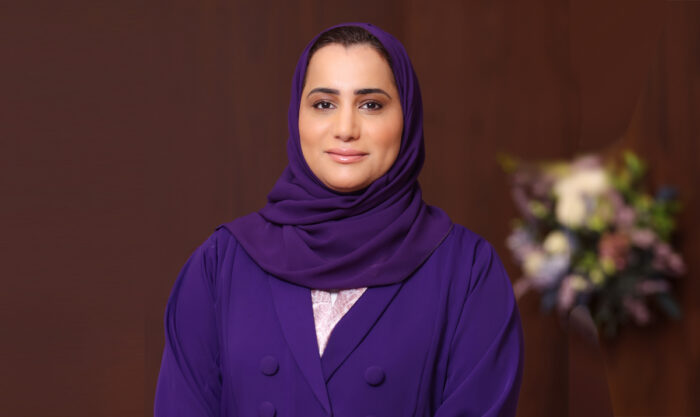
Interview with Ibtisam Al Farooji, Undersecretary of Investment Promotion, Oman
"Oman offers a balance rarely found in emerging markets: economic stability, policy transparency and lifestyle quality. We welcome companies that seek both growth and long-term partnership."
12 February, 2026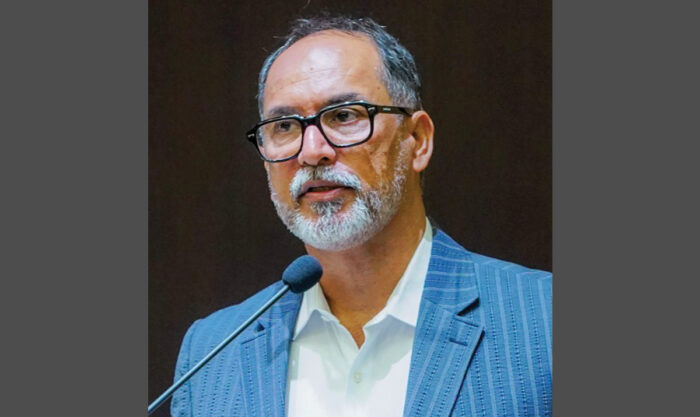
Interview with Mohamed Ameen Sait, Managing Director of Sea Pride LLC, Oman
"Oman’s fishing sector has evolved rapidly from traditional roots into a modern, high-performing industry."
12 February, 2026
Interview With Khalid Jamal Al Kayed, CEO of Bank Nizwa, Oman
"There is a golden opportunity to create value by exploring opportunities in Oman and the US. Oman offers a safe, stable and investment-friendly environment with untapped potential, while the US provides significant resources and partnerships."
12 February, 2026
Interview With Adrian Hamilton-Manns, CEO of SalamAir, Oman
"For a lot of people who feel they’ve been overwhelmed by mass tourism in other locations, Oman is very different. It has a natural and traditional approach — unlike the glitz and bling you might find in other locations. So, its value proposition is
12 February, 2026
Interview with Naseeb Yahya Nasib, Managing Director of Yahya Nasib Global, Oman
"Oman is as cosmopolitan as any Arab nation, and perhaps even more open in its thinking."
09 February, 2026
Interview with Ken Mueller, General Manager of Yahya Nasib Global, Oman
"Oman is a hidden gem, and the many people who have come to visit me in the years that I have been here have always loved the place."
09 February, 2026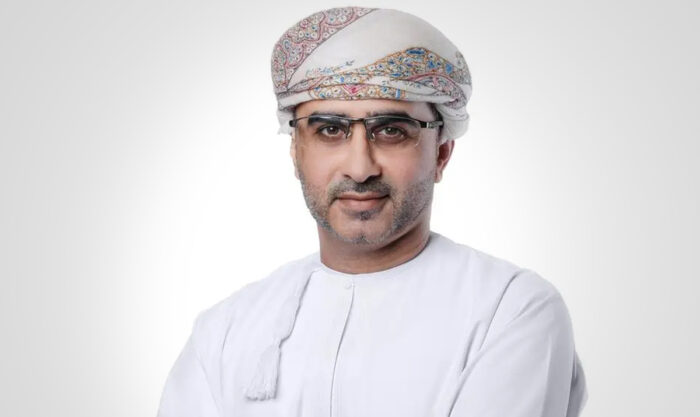
Interview with Hussain bin Ali Al Lawati, CEO of Development Bank, Oman
Since its founding in 1976, state-owned Development Bank has evolved from financing microbusinesses to becoming a major force behind national infrastructure. In recent years, it has expanded lending activity, broadened its geographic reach, an
08 February, 2026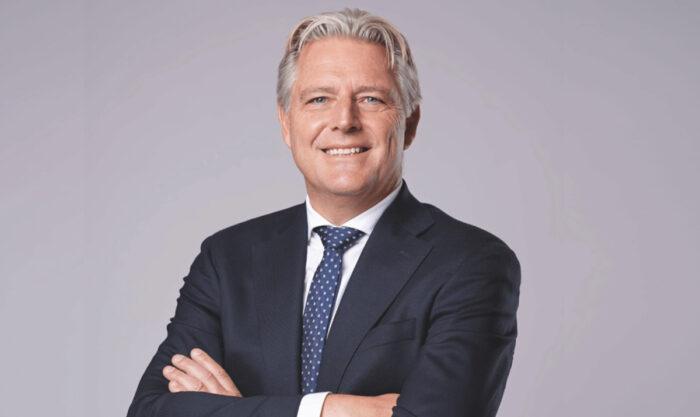
Interview with Emile Hoogsteden, CEO of Sohar Port
Oman’s maritime sector accounts for 77% of the nation’s trade, with its ports handling more than 137 million tons of cargo in 2024, up 15% from the previous year. Why is Oman well placed to be a regional trade and logistics hub? In many...
08 February, 2026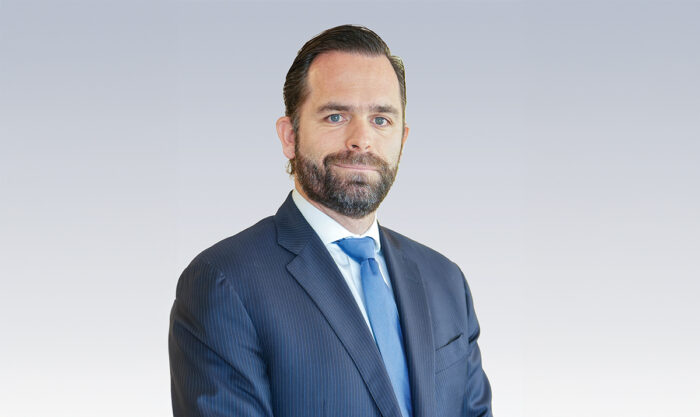
Interview with Reggy Vermeulen, CEO of Port of Duqm
Around 77% of Oman’s trade passes through its seaports, which handled more than 137 million metric tons of cargo in 2024, an increase of 15% compared to the previous year. Over the same period, Port of Duqm recorded 152% growth in cargo throug
08 February, 2026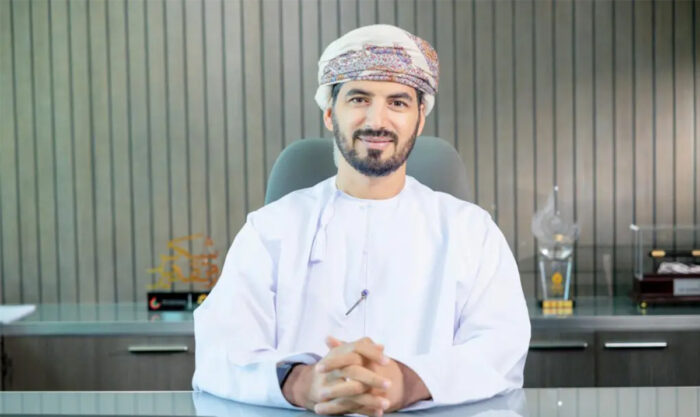
Interview with Mohammed Al-Naabi, CEO of Oman Energy Association (OPAL)
Energy accounts for nearly 60% of Oman’s export revenues. Could you explain how the sector is serving as both the foundation of the country’s economy and the launchpad for its Vision 2040 strategy’s goals? The energy industry contributes two-t
08 February, 2026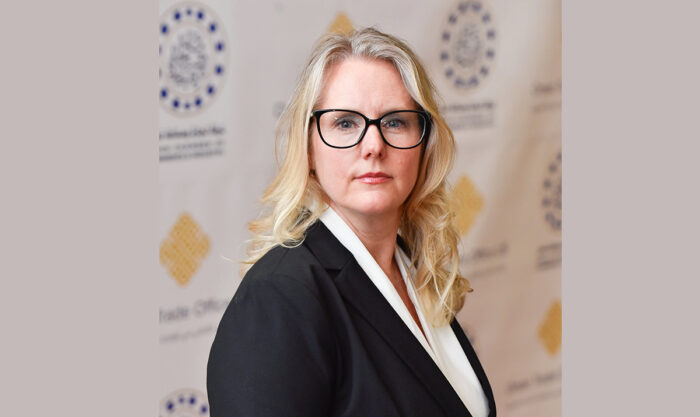
Interview with Emmee Haun, Managing Director of Oman Trade Office US
Launched in 2025, the Oman Trade Office US serves as a direct economic bridge for expanding commercial cooperation and bilateral investments between the two countries. Can you explain its mission and share the journey that led to you heading t
08 February, 2026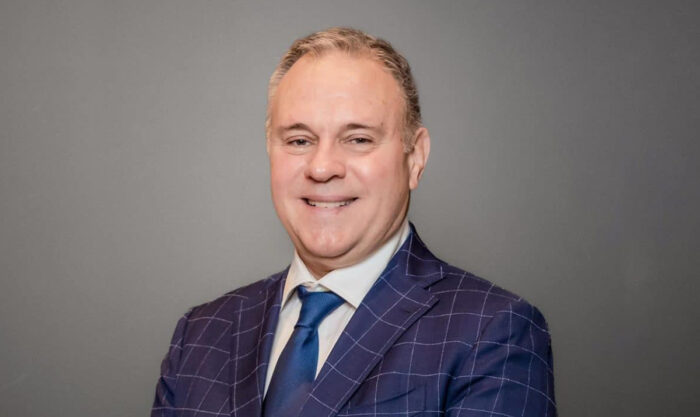
Interview with Con Korfiatis, CEO of Oman Air
The Oman Vision 2040 strategy positions aviation and tourism as core pillars of national diversification, aiming to boost annual visitor numbers from 3.8 million in 2024 to 12 million in 2040. How would you assess Oman’s value proposition as a touris
08 February, 2026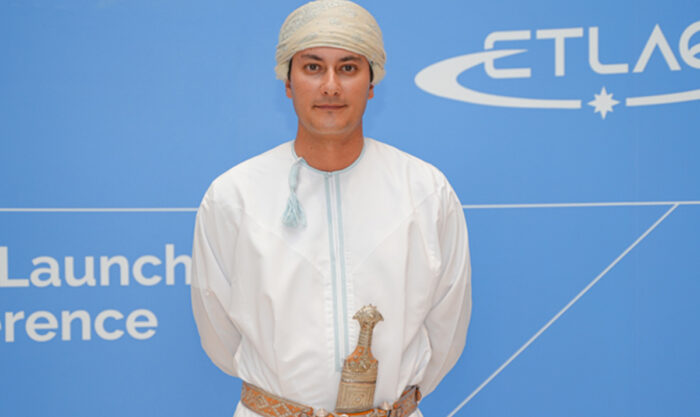
Interview with Sayyid Azzan bin Qais Al Said, Founder and CEO, National Aerospace Services Company (NASCOM) and Etlaq Spaceport, Oman
Oman has big ambitions in the space sector, as demonstrated with the launch of its 10-year National Space Program in 2023. The national space economy was valued at $155 million in 2024 by the government and is expected to triple by 2030 — putt
08 February, 2026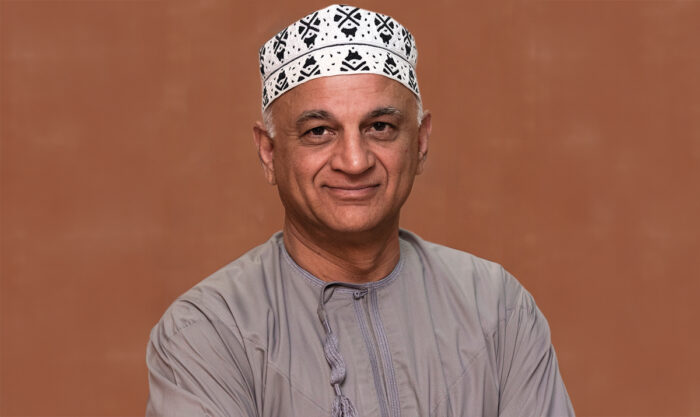
Interview with Ali Daud, Chairman and Rebecca Olson, CEO of AmCham Oman
Oman’s gross domestic product is forecast to expand by 3.7% this year, with growth being catalyzed by non-oil sectors. How is the country progressing toward its goals for economic diversification? Ali Daud: In the past few years, we’ve seen di
08 February, 2026
