
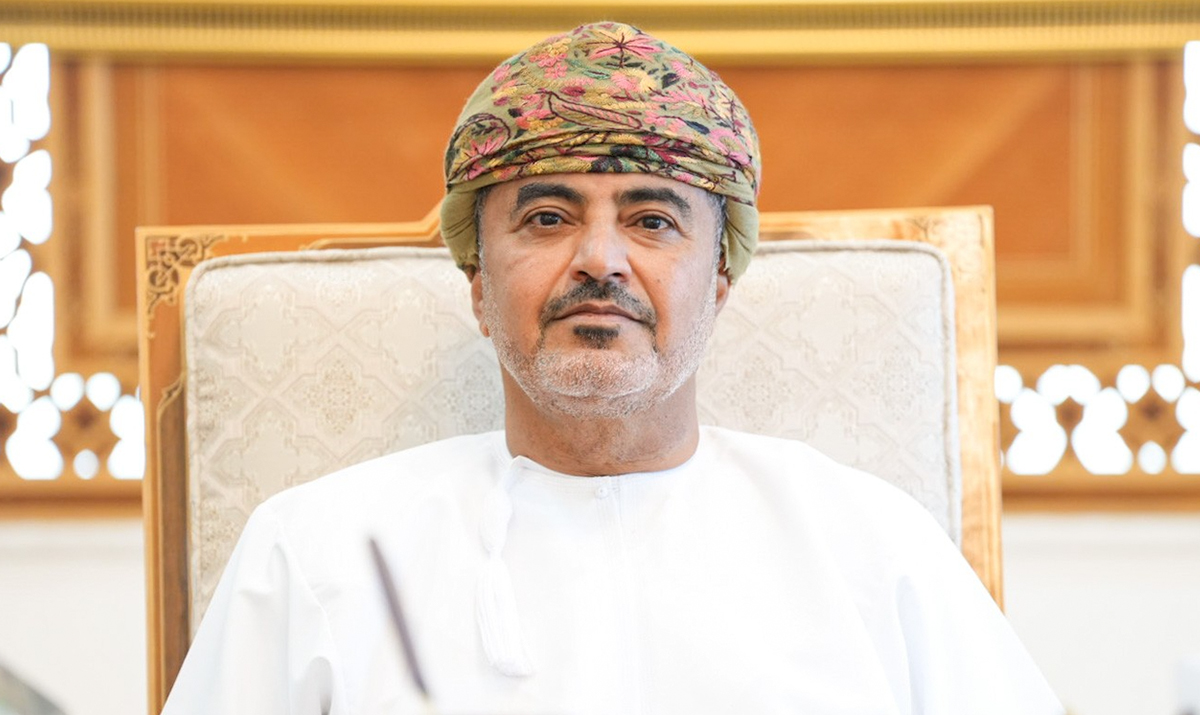
12 Feb Interview with Saeed bin Hamoud bin Saeed Al Mawali, Minister of Transport, Communications and Information Technology, Oman
What are the Ministry of Transport, Communications and Information Technology’s (MoTCIT’s) priorities for enhancing Oman’s transport infrastructure, and how can US firms participate in its plans?
Oman is rapidly enhancing its transport infrastructure to support economic growth, regional connectivity and sustainable development, and MoTCIT is prioritizing projects across logistics, roads and maritime sectors.
We are also actively expanding public-private partnership (PPP) initiatives across the transport and logistics sectors, creating numerous avenues for US companies to contribute expertise, technology and investment. These projects align with the Oman Vision 2040 development strategy’s objectives of modernizing infrastructure, enhancing regional connectivity and fostering sustainable economic growth.
Cross-cutting and logistics projects include the implementation of a national Port Community System integrating maritime and land-side services to streamline import-export processes, reduce bottlenecks and enable paperless logistics. There are also opportunities in advanced screening, data-driven risk assessments and end-to-end tracking to improve border efficiency, as well as in green logistics initiatives aimed at reducing emissions across supply chains, enhancing cold-chain efficiency and supporting sustainable operations.
In terms of roads and land transport development, there are planned upgrades of highways, connectors and bridges to enhance traffic flow to ports, airports and industrial zones, as well as the deployment of intelligent transport systems for traffic management, predictive maintenance and asset monitoring. Other focus areas include safety, resilience against extreme weather, inclusive connectivity to rural and remote areas and sustainable mobility initiatives, including expanding electric vehicle infrastructure and planning urban public transport solutions such as Muscat Metro and Gulf regional rail integration.
Furthermore, Oman is optimizing capacity at Sohar and Salalah ports, preparing PPP-led operations for Duqm terminals and developing Khasab and Shinas ports, while Sultan Qaboos Port is being transformed into an urban waterfront destination, with multimodal logistics hubs linking seaports efficiently.
Additionally, Oman is pioneering sustainable maritime practices through a flagship initiative: the planned establishment of the Middle East’s first green ship recycling hub in Khatmat Malaha, North Batinah. Developed through a concession agreement with Green Wheel Recycling Middle East, the facility will feature a fully integrated port capable of dismantling and recycling over 70 ships annually, producing around 2 million metric tons of low-carbon steel in its initial phase. This project directly supports Oman’s 2050 net-zero goals, creates approximately 2,000 jobs and stimulates secondary industries such as eco-friendly container manufacturing.
For US firms, opportunities in this area include contributions in eco-friendly port equipment, recycling technologies, green hydrogen integration, supply-chain sustainability solutions and alignment with global standards such as the European Ship Recycling Regulation and the Hong Kong Convention for the Safe and Environmentally Sound Recycling of Ships.
US companies can also participate in customs automation, artificial-intelligence-enabled inspection, logistics platforms, warehouse automation, systems integration, multimodal planning, EV infrastructure, port operations and green hydrogen solutions.
US firms can engage with opportunities by establishing joint ventures with qualified Omani firms to meet localization and regulatory requirements, or by monitoring official tender portals and Invest OMAN announcements for PPP and request for proposal releases. Potential investors are advised to highlight the value of their proposals in terms of technology transfer, workforce development, lifecycle cost reductions and sustainability benefits. It would also be advantageous to coordinate with the Oman Logistics Center and relevant authorities to ensure proposed solutions align with national strategies.
By leveraging these opportunities, US firms can play a pivotal role in Oman’s transport and logistics modernization, contributing cutting-edge solutions while supporting sustainable growth and regional connectivity.
How is Oman advancing in areas such as AI, smart cities and 5G, and where do you see potential for further US-Omani collaboration in information and telecommunication technologies?
Oman Vision 2040 serves as a comprehensive national roadmap for inclusive and sustainable development, with digital transformation at the heart of its strategy to build a knowledge-based economy and an integrated smart government. American technology companies are playing a pivotal role in accelerating this transformation, bringing expertise, advanced technologies, infrastructure and capacity-building programs to support the sultanate’s ambitions.
Central to Oman’s digital future is the Oman Digital Triangle, launched in collaboration with the International Data Center Authority. This initiative aims to develop national digital infrastructure and position Oman as a regional and global hub for digital innovation and AI. Key elements of the project include establishing integrated; creating national standards for data centers, cloud computing and AI according to best practices; developing educational and training programs to prepare a national workforce for large-scale digital projects; establishing interconnected digital hubs and AI complexes for integrated data and AI services; and constructing large-scale data centers with gigawatt-level capacities to meet global demand for high-performance computing and cloud services.
Further opportunities exist for US firms in AI deployment, smart infrastructure, cloud services, data center management, digital platforms, workforce training and public-private partnerships aligned with national strategies.
What roles do the MoTCIT and American ITC companies have in promoting Oman’s technology innovation ecosystem?
The MoTCIT is actively cultivating a dynamic startup ecosystem to enable international collaboration and knowledge exchange between Omani and US technology startups. Through startup-focused programs like Numo, Jadarah and the Oman Startup Hub, the ministry provides mentorship, financial support and access to global markets for high-potential startups. We are also engaged in capacity-building programs to develop Omani talent in technology, innovation and entrepreneurship, and we provide global networking opportunities, including participation in Saudi Arabia’s LEAP and Oman’s COMEX conferences, allowing startups to showcase innovations and engage with US partners.
These efforts aim to establish Oman as a hub for technology innovation and enable mutually beneficial collaboration with US companies.
US firms also play a crucial role by participating in collaborative research and development projects and joint ventures, providing advanced technology solutions and infrastructure, and supporting market expansion, capacity building and skills development for the Omani workforce. These partnerships strengthen Oman’s tech ecosystem, promote cross-border collaboration and integrate Omani startups into the global innovation network.
How important are cybersecurity and digital resilience in your national strategy, and are there areas in these segments where US expertise is being sought?
Cybersecurity and digital resilience are central to Oman’s national strategy for protecting critical infrastructure and advancing digital transformation, and the country ranks highly in the Global Cybersecurity Index due to its strong policies, infrastructure and capabilities.
One key initiative in this area is the Oman National Computer Emergency Readiness Team, the national hub for cyber incident response, threat monitoring, capacity building and public awareness. Oman also hosts the Arab Regional Cybersecurity Center under the International Telecommunication Union, which has strengthened our regional cyber leadership. Other important projects include the University of Technology and Applied Sciences’ Innovation and Excellence Center in Cybersecurity that conducts research and develops tailored cybersecurity solutions, and the Hadatha executive program, which is focused on cybersecurity industry development, human capital, innovation and capability building.
Going forward, Oman seeks international collaboration, especially with US expertise, in areas such as advanced cyber defense technologies, threat intelligence sharing, cybersecurity R&D, national cyber risk management and professional training. These partnerships are essential for strengthening cyber resilience, safeguarding infrastructure and ensuring secure digital growth.