
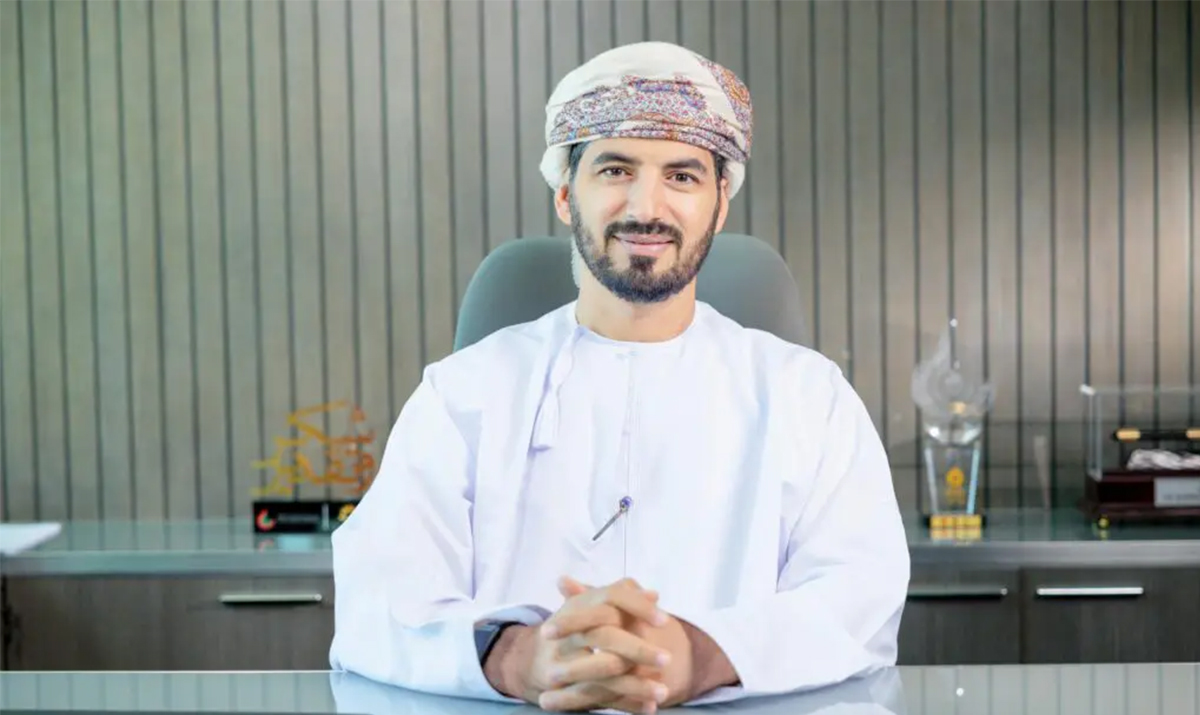
08 Feb Interview with Mohammed Al-Naabi, CEO of Oman Energy Association (OPAL)
Energy accounts for nearly 60% of Oman’s export revenues. Could you explain how the sector is serving as both the foundation of the country’s economy and the launchpad for its Vision 2040 strategy’s goals?
The energy industry contributes two-thirds of Oman’s public revenues, making it vital to our economy. However, under Oman Vision 2040, we are transforming this sector from predominantly oil-centric into a diversified energy ecosystem. Our strategy now encompasses natural gas, hydrogen, solar, wind and other renewable sources. This shift is not only about energy production but also about economic resilience. By diversifying our energy portfolio, we aim to reduce dependency on oil and gas, create new revenue streams, and position Oman as a regional leader in sustainable energy.
Hydrogen is a cornerstone of this transformation. Oman’s geographic advantages, abundance of renewable resources, and strong regulatory support make it an ideal hub for green hydrogen development. We are already seeing robust international interest and investment in this area.
In parallel, we are upgrading our national gas infrastructure and launching flagship projects like the Marsa LNG facility, which will enhance our energy efficiency and export capabilities. These initiatives are not only vital for economic growth but also key enablers of our Vision 2040 goals, driving innovation, attracting foreign investment and creating high-value jobs for Omanis.
What are some other flagship infrastructure projects currently under way that will reshape Oman’s energy landscape?
In Duqm, we are developing some of the region’s most ambitious green hydrogen projects, supported by large-scale solar installations and strategic international joint ventures. On the renewables front, several renewable and wind projects have already been completed, with additional developments underway across the country. At the same time, we continue to invest heavily in upstream oil and gas. Annual allocations are directed toward modernizing infrastructure, maintaining production levels and unlocking new reserves. We are also preparing to announce new upstream ventures that will further strengthen our energy capabilities and support domestic and export demands.
One sector that is less talked about is minerals. What potential does the country hold in this area?
Oman has a rich and diverse mineral base, and today we are taking decisive steps to unlock its full economic potential. In collaboration with the Ministry of Energy and Minerals, a comprehensive national strategy is being implemented to attract investment and accelerate development in this sector. The focus is shifting from simply exporting raw materials to building a robust value chain. This includes establishing advanced processing facilities, refining capabilities and downstream industries that generate greater economic returns and employment opportunities.
Oman Energy Association (OPAL) is the country’s premier energy business society. Could you briefly introduce the organization and describe how its role has changed over the years?
OPAL was established in 1998 with the primary goal of uniting Oman’s oil and gas industry under a single representative body. Since then, our mandate has evolved significantly in response to the country’s economic diversification and industrial growth. Today, we don’t just represent oil and gas, but also play a role in mining, power and broader industrial sectors. A major part of our mission is to create a unified platform where government entities, operators and service providers can align standards and priorities in areas such as safety, skills development and sustainability.
We are deeply committed to supporting “Omanization,” enhancing workforce readiness and driving competitiveness across the value chain. Ultimately, OPAL’s role is about enabling a future-ready industrial ecosystem, one that is resilient, inclusive and aligned with the strategic goals of Oman Vision 2040.
What are some of the biggest projects or milestones OPAL has achieved that highlight its influence?
OPAL has made significant strides in establishing itself as both as an extended arm of the regulatory authority and a driver of innovation within Oman’s energy and mineral sectors.
We play a pivotal role in elevating health, safety and environment (HSE) performance across Oman’s energy sector by fostering alignment, setting unified standards and advancing capability development. On the regulatory side, one of our most impactful achievements has been the development and implementation of twelve comprehensive HSE standards. These standards have unified safety practices across the industry, ensuring consistency, accountability and a culture of prevention.
In parallel, we’ve led the development of 43 national occupational standards, which serve as benchmarks for workforce competencies across our sectors. These standards are instrumental in aligning training programs with industry needs and enhancing the employability of Omani talent.
We’ve also launched groundbreaking initiatives such as the HSE passport program, the unified defensive driving permit and the integrated vehicle monitoring and inspection system, each playing a pivotal part in advancing operational excellence and reinforcing workforce safety.
For example, the OPAL HSE Passport is a national training and assessment program that has established a consistent baseline for HSE knowledge and readiness for the workforce. This program sets the minimum requirements that any training provider must meet to deliver OPAL certified courses, such as HSE induction and hydrogen sulfide awareness. Developed in close collaboration with industry stakeholders and the Ministry of Energy and Minerals, the initiative ensures harmonization of HSE practices and establishes a baseline of competency for all employees before they begin working with oil and gas companies. This way, we are creating a consistent, sector-wide culture of safety and preparedness.
As an innovation enabler, OPAL has created platforms that foster collaboration and knowledge exchange. A standout example is the International Occupational Health Summit, which brought together over 1,600 participants from 21 countries, marking a regional first in spotlighting occupational health as a strategic priority.
The Local Content Certificate is an official accreditation issued by OPAL, under the supervision of the Ministry of Energy and Minerals, to evaluate and recognize a company’s contribution to the local economy. The certificate measures the extent to which a company supports Oman’s economic development by maximizing the use of local goods, services, human capital and local investments within its operations.
As part of its mission, OPAL is driving Oman’s talent agenda through its national training programs and partnerships with the Ministry of Labor, national energy company OQ, local universities and others. What level of expertise has the country developed in energy and what more is needed to future-proof the sector?
For OPAL, closing the skills gaps in Oman is central to our mandate as the “Voice of the Industry.” Through our Energy and Minerals Sector Skills Unit, licensed by the Ministry of Labor, we have established the first employer-led platform dedicated to capturing skills needs, developing national occupational standards and implementing skills certification frameworks. This initiative ensures that workforce development is truly demand-driven and aligned with industry realities.
Also, we work closely with technical institutions, the Ministry of Education and corporate partners to shape vocational education programs for Grades 11 and 12, equipping students with practical skills before they enter the workforce. At the same time, our Training for Employment and Training for Development programs have already enabled over 15,000 Omanis to secure sustainable roles in the private sector, with thousands more upskilled in specialized technical areas.
Oman has built a strong base of talent in the energy sector over the past years. We see local professionals excelling in core areas like operations, HSE, engineering and project management, and we’ve also seen small businesses and service providers step up to deliver solutions that used to come from abroad.
That combination of technical know-how and hands-on experience has given the sector a solid foundation. But the market is changing fast, and that means our skills need to evolve with it. To stay ahead, Oman needs to keep investing in areas like renewables, hydrogen and carbon management, while also building digital capabilities — things like data analytics, artificial intelligence (AI) and automation that are already reshaping how the energy industry works.
Just as important are the softer skills: leadership, innovation and the ability to adapt quickly when challenges come up. The future really depends on blending our existing strengths with these new capabilities. If we continue strengthening the links between industry, government and universities, we can make sure Omani talent is ready not just to keep up with the market, but to lead the way in shaping it.
How critical is the development of small and medium-sized enterprises to Oman’s energy goals and how is OPAL helping SMEs integrate into the energy value chain?
SMEs are vital to Oman’s energy transformation. They are not just service providers; they are the innovative engines that diversify supply chains, create jobs, and embed local content within the sector. At OPAL, we view SME development as integral to our mission to localize industry capabilities and strengthen Oman’s economic resilience.
OPAL designed entrepreneur-readiness programs that have trained over 1,000 candidates in recent years, ensuring SMEs are not only launched but are also sustainable and competitive. Beyond capacity-building, OPAL actively integrates SMEs into the energy value chain by supporting local sourcing, promoting local-content reporting frameworks, and providing visibility through tools such as the CSR Oman platform and the OPAL Unified Services Platform. These digital ecosystems connect small businesses with operators, investors and service providers, ensuring SMEs can scale their impact. Ultimately, the success of Oman’s energy transition — whether in hydrocarbons, renewables or green hydrogen — depends on SMEs thriving as equal partners.
Oman aims to reach carbon neutrality by 2050 and targets a 30% renewables share in its power generation mix by 2030. What part is OPAL playing in achieving these goals?
Our role is to serve as a key enabler and facilitator in this transition. We work closely with over 520 member companies, including leading operators such as Petroleum Development Oman, Shell, BP and CC Energy Development, as well as the Ministry of Energy and Minerals, to align industry efforts with national net-zero objectives.
Rather than enforcing mandates, OPAL focuses on creating a collaborative platform that promotes knowledge sharing, standardization and the adoption of best practices. One of our flagship initiatives, the Green Energy Alliance, brings together stakeholders to drive impactful actions in tree planting, decarbonization and emissions reduction. We also support the integration of sustainability standards across the sector, helping companies embed environmental responsibility into their operations and contribute meaningfully to Oman’s 2050 net-zero vision.
In August 2024, the Environment Authority and OPAL signed the “Green Alliance” initiative, marking a strategic partnership between government, the energy sector and private industry to support Oman’s environmental and sustainability ambitions. The agreement objectives are to increase Oman’s vegetation cover through afforestation projects and wild-tree planting — supporting the national target of planting 10 million wild trees — and to develop carbon-credit investment opportunities through environmental projects, enabling private sector participation in offsetting and reducing greenhouse-gas emissions.
Digitalization is a cornerstone of Oman’s energy transition. What disruptive technologies are having the biggest impact on the country’s energy industry?
We believe the biggest impact comes from AI and integrated digital platforms. OPAL’s Himaya platform, for example, digitalizes HSE compliance and gives companies real-time visibility to prevent incidents before they occur. Our Amaan platform enhances internal safety oversight, while the Unified Services Platform streamlines training, accreditation and inspections into one digital hub that drives both efficiency and transparency.
We are also using AI-driven labor market intelligence through our Sector Skills Unit platform, ensuring the workforce is equipped for emerging fields like renewables and green hydrogen. These technologies are redefining how we work, train and protect people, setting the foundation for a smarter, safer and more efficient energy sector.
Global collaboration, particularly with US companies, is proving crucial for advancing Oman’s energy transformation. What key international partnerships has OPAL forged to elevate industrial standards in the sultanate?
Adopting global best practices is vital for us, particularly in skills development, safety and sustainability. OPAL is connected worldwide, learning from Europe, the US and beyond. One of our key privileges has been the opportunity to collaborate closely with the International Association of Oil and Gas Producers, enabling deeper knowledge exchange and alignment with global safety and operational standards.
The US is especially important in areas like AI, digitalization and emerging technologies that are reshaping how we produce, drill and operate. These innovations help us enhance productivity, reduce costs and improve safety. We also value US expertise in minerals, which offer further opportunities for Oman.
In addition, OPAL has forged strategic partnerships with renowned global institutions such as the Scottish Qualifications Authority and Road Transport Industry Training Board. These collaborations are instrumental in enhancing the quality and credibility of our training programs. Through SQA, we ensure our qualifications are internationally recognized, while RTITB helps us standardize and elevate training in road transport safety, critical components in the energy supply chain.
Together, these partnerships reflect OPAL’s commitment to building a future-ready workforce and fostering a culture of excellence aligned with the highest global standards.
What new opportunities are emerging in Oman’s evolving industrial space that would benefit most from foreign investment — especially from US partners?
Oman’s industrial landscape is rapidly expanding in areas such as renewable energy, green hydrogen and downstream manufacturing, offering strong potential for international collaboration. US investors can play a pivotal role in advancing technology transfer, innovation and sustainable industrial practices.
Oman is open to partnership, collaboration and innovation. We believe the future of energy will be shaped by how well we work together across borders, industries and technologies. My message is simple. Whether you are an investor, a technology leader or an innovator in clean energy, Oman welcomes you!