
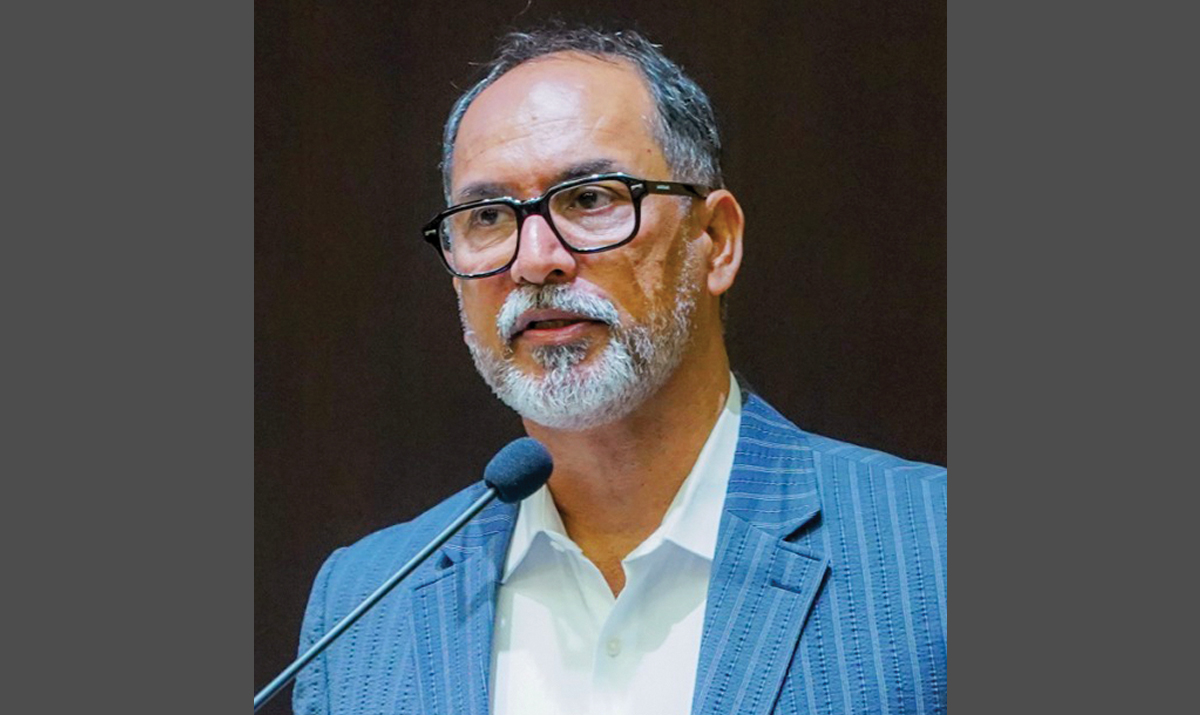
12 Feb Interview with Mohamed Ameen Sait, Managing Director of Sea Pride LLC, Oman
Oman’s fishing sector is fast becoming a cornerstone of its economic diversification drive. In 2024, Omani fisheries generated 1.1% of the country’s gross domestic product with revenues of over $1.2 billion, 9.6% higher than 2023. Overall, the country has more than 27,000 licensed fishing vessels that land around 706,000 tons of seafood a year. What has driven the strong rise of the industry in the past decade?
Oman’s fishing sector has evolved rapidly from traditional roots into a modern, high-performing industry. With nearly 2,000 miles of coastline and a long fishing heritage, the country has immense natural potential and, over the past few years, strong government initiatives and strict sustainability policies — such as the long-standing ban on bottom trawling — have driven significant progress.
At Sea Pride LLC, we now process around 18-20% of Oman’s total catch. Our growth from modest beginnings 28 years ago to operating advanced processing facilities reflects the national transformation. By introducing modern fishing vessels, we’ve greatly improved both the quality and consistency of our raw materials. Today, we proudly supply premium Omani seafood to markets in Europe, the US and China, with a strong focus on expanding further in the US through technology, sustainability and quality excellence.
Has the national Made in Oman marketing scheme played a role in promoting local seafood products at home and abroad?
The Made in Oman initiative adds strong value by highlighting our rich fishing heritage and commitment to quality. Omani seafood is widely recognized throughout the Middle East for its freshness — often reaching markets within 48 hours — and it is featured as a premium choice in top hotels across the region. Sea Pride LLC’s exports to Bahrain, Europe and the US continue to strengthen this reputation, and our goal now is to further elevate the “Oman Fish” brand globally for higher value and recognition.
Formally launched in 2005, Sea Pride LLC has grown from a family-run fishery into Oman’s top seafood processor that exports to more than 60 countries. Can you briefly describe the company’s operations and its broader impact on Oman’s seafood industry?
Sea Pride LLC is a vertically integrated seafood company, active across fishing, processing, boatbuilding and packaging manufacturing. Our focus is on modernization and sustainability — building efficient fishing teams, upgrading our fleet with advanced technology for full traceability, and managing our own logistics to ensure fast, cost-effective deliveries. For example, our packaging division now handles about 30% of our production output, boosting both in-house efficiency and the company’s independent growth.
In the past, we focused on producing and selling raw fish in bulk. Today, our focus has shifted to value-added, consumer-packaged products. By moving into consumer-packaged products, we are maximizing the value of Oman’s natural resources, and we see strong potential in the US, Europe and China for our two brands: Suri Gold and our new Pescada international brand, which we plan to launch this year.
Our goal is to increase value rather than volume — turning the same catch into higher-value products. Both the government and our company are focused on maximizing value through processing and branding.
How is Sea Pride LLC working to sustain its annual 25-35% growth in revenues, and what challenges and opportunities lie ahead for the company?
Challenges always come with opportunities. We stay close to our clients by meeting them regularly and participating in expos worldwide. Their feedback guides us to make immediate adjustments in products and presentation. This client-focused approach has driven our dramatic growth rates. To sustain them, we have invested in Oman’s most state-of-the-art factory, equipped with automation technologies and robotic packing, and are adopting other advanced technologies from Europe and the US. We have built one of the region’s most modern processing lines.
Sea Pride LLC also operates on a zero-waste principle. Even fish blood is converted into protein sources. Every part of the catch is used — what is fit for human consumption goes to processing, while the rest is sent to fish meal and fish oil production. This requires advanced technology, and we’ve invested in specialized factories for each process. We adopt and regularly upgrade technologies from around the world, making innovation one of our main areas of investment.
What technologies is Sea Pride LLC exploring next?
We are introducing brine freezing technology, which reduces freezing loss by 2-3% — a margin that directly translates into profit. With the new system, we achieve nearly 100% recovery, eliminating waste. At the same time, we are setting up a fully computerized shrimp processing unit. It optimizes labor, ensures precise temperature control and delivers high-quality, value-added shrimp products.
We are also set to launch a semi-recirculatory aquaculture system for Vannamei white shrimp in Oman, which will mark another milestone in diversifying and strengthening the nation’s seafood industry.
Sea Pride LLC offers a wide selection of fish and seafood products, supported by a strong focus on research and development, product standardization, sustainability and responsible fishing. How is the company utilizing R&D and working to reduce its carbon footprint to stay ahead of the pack?
R&D and quality control are at the heart of Sea Pride LLC’s success, ensuring every product meets global standards with full traceability. Our dedicated R&D team continuously develops new products and packaging to meet evolving market demands. With strong government support, we’re expanding into new markets while advancing “Omanization” and female empowerment, creating meaningful opportunities for local talent across the seafood value chain.
Sustainability and social responsibility are central to everything we do at Sea Pride LLC. Every new project is designed with these values in mind. A good example is our fish meal and fish oil plant in Qurun that we established in 2013, which transformed two remote fishing villages by creating year-round incomes for local fishermen and improving community livelihoods. Our upcoming aquaculture project also reflects this commitment — it uses an eco-friendly semi-recirculatory system with minimal water discharge, ensuring responsible resource use while supporting Oman’s path toward sustainable growth and net-zero goals.
Sustainability is also shaping the future of Oman’s fisheries. The government has taken strong steps to ensure responsible fishing, making Oman one of the most sustainable producers globally. As we move forward, collaboration with international bodies like the Marine Stewardship Council and the International Organization for Standardization will help establish unified standards across the country and open new opportunities for Omani seafood to access high-value, eco-conscious global markets.
How open is the company to forming new partnerships with US stakeholders?
The US is a very promising market, and Oman benefits from low US tariffs, creating a clear opportunity. We plan to approach this market in two ways: manufacturing finished products in Oman for export, and establishing a processing and marketing center in the US. This strategy aims not only to boost trade but also to create production activity in the US.
You co-founded Sea Pride LLC in 2005, building on decades of experience in Oman’s fisheries sector through your time at United Gulf Fisheries and Khimji Ramdas. Looking back at the journey from small-scale operations to global exporter, how do you see the company shaping Oman’s fishing economy in years to come?
Sea Pride LLC started with zero investment in trading and gradually established its first processing unit. Over the past 20 years, we have grown to $160 million in revenue, and we expect $200 million this year.
Looking ahead, we are expanding beyond traditional fishing. Our next project in Oman will extract high-purity Omega 3 from crude fish oil for both local use and export. We also plan to explore opportunities in Africa and other developed markets. Throughout, we remain committed to sustainable fishing, international standards and creating more jobs.
What message would you like to share with USA Today readers?
Eat fish, live healthy. Both wild-caught and farmed fish offer great health benefits, providing natural, high-quality protein. I take great pride in this industry — we’re not just selling seafood; we’re offering a wholesome and sustainable choice for a healthier life.