
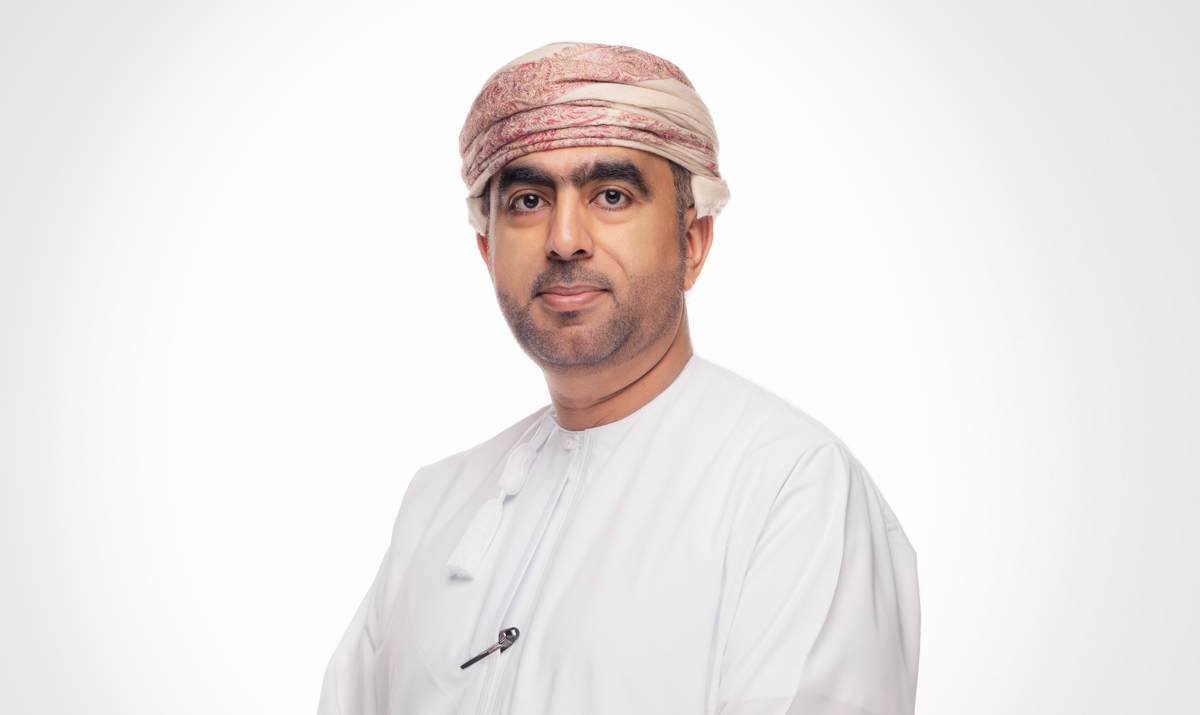
12 Feb Interview with Khalid Al Balushi, CEO of Oman National Investments Development Company (TANMIA)
Oman’s gross domestic product is estimated to have expanded by 2.9% last year, with the country’s economy continuing to diversify from oil and gas toward sectors such as manufacturing, tourism, logistics and renewable energy as part of the Oman Vision 2040 development strategy. What can you tell us about recent investment trends?
Over the past five years, Oman has undergone significant economic reforms across various government levels and sectors. These include fiscal policy improvements and a notable reduction in public debt, which contributed to credit rating upgrades and enhanced Oman’s attractiveness as an investment destination. These reforms align with the key pillars of Oman Vision 2040, focusing on execution and diversification. We have seen strong progress in manufacturing, real estate, tourism, hydrocarbons and green energy, with several major projects now underway.
The capital market has also evolved, with initial public offerings and the privatization of government-owned companies — especially in oil and gas—boosting investor confidence. Muscat Stock Exchange’s efforts to join the Emerging Markets Index have further improved the investment outlook. Overall, the groundwork of the past five years is now bearing fruit, as projects move from planning to execution and investors actively engage in Oman’s growing economy.
How has the government’s recent emphasis on public-private partnerships (PPPs) created new pathways for investment?
PPPs have long been part of Oman’s development strategy, particularly in sectors like oil and gas. Projects such as Khazaen Economic City, the country’s latest free zone, were developed under the PPP model. Today, we are seeing PPPs expand beyond traditional infrastructure into areas like education, healthcare and logistics. This shift marks a broader and more dynamic phase of collaboration between the government and the private sector.
TANMIA plays a vital role in Oman’s investment landscape, managing assets that exceed $1 billion. Can you introduce the company to our readers?
TANMIA is a semi-government investment company with over 25 years of experience in both public and private equity. We have played a key role in supporting Oman’s economy and capital markets, including managing stabilization funds in the early 2000s. Today, TANMIA is one of the largest private equity players in Oman, with a diversified portfolio of around 20 companies across sectors such as aviation, food, agriculture, manufacturing, mining, energy and technology; sectors that are fully aligned with Oman Vision 2040.
We also operate as an asset manager, overseeing several investment vehicles. In the past two years, we have launched three to four new funds, including the first liquidity fund for the Muscat Stock Exchange, which is now valued at about $600 million. Another key initiative is a $100-million private equity fund with Future Fund Oman that is focused on growth capital for small- to mid-capitalization companies. That fund’s first investment was in a cloud kitchen business and it continues to explore new opportunities across sectors. The Ishraq Endowment Fund is another new initiative designed to boost investment and unlock the potential of endowments in Oman.
TANMIA is well-positioned on the ground, making us a partner of choice for investors, technology providers and knowledge transfer. We operate across nine economic sectors, fostering partnerships that bring capital, expertise and innovation to Oman. At the same time, we continue to develop innovative investment products and solutions tailored to the market.
How does TANMIA’s exposure to multiple asset classes increase its resilience?
For us, diversification is key to sustainable growth. We balance our portfolio across asset classes — public equities, bonds and private equity — to ensure short-, medium- and long-term resilience. Sector diversification across nine industries, including startups and operating companies, further strengthens our portfolio.
Beyond commercial returns, TANMIA contributes to the national economy through job creation, market liquidity and attracting investors. With our disciplined and professional approach, our investments generate solid returns and play a constructive role in advancing Oman’s economic development.
The nine industries TANMIA targets are manufacturing, agriculture and food, information and communication technologies (ICT), tourism, mining and minerals, energy and water, retail, transport and logistics, and financial services. What notable progress has the company made in some of those sectors?
We have significant exposure to manufacturing and industry, where our focus is to develop the full value chain for the projects we embark on and to leverage Oman’s competitive advantages. One typical project demonstrating our approach is Sanvira Carbon, which produces calcined petroleum coke for the aluminum industry using Omani raw materials from the petrochemical sector. The processing is done locally, while the products serve global markets, including Europe and the US. This project highlights the strengths of Oman’s location, free zones and sustainable supply chains. We are now expanding it through backward integration, supporting job creation, economic diversification and trade.
We also have a packaging company that has recently turned around, supplying major global brands like Unilever, P&G and others. In food and agriculture, Oman Agriculture Company covers the full value chain for dates — from farming and processing to packaging and sales. It is now expanding beyond dates to broader agricultural products, exporting to markets including India, China, Japan, the UK and Europe, while also importing and re-exporting. Its main industrial complex employs 50-100 people and drives wider economic benefits through logistics, warehousing and job creation, making this a key and growing sector for us.
We have a significant presence in tourism too. For example, we were founding investors in Al Mouj, Oman’s first integrated tourism project, which includes the Kempinski Hotel. Our newest addition is the IntercityHotel Bawshar, a unique business hotel in Muscat that is well-positioned in the market. We also hold a stake in Oman’s first budget airline, SalamAir. Through these investments, we cover the full tourism value chain — from aviation and hospitality to real estate — and we are currently developing a real estate asset management product.
In technology and ICT, we have a stake in Awasr, a telecom operator focused on broadband and known for high-speed connectivity. We are now exploring the next growth phase, including fintech and tech-enabled solutions. The sector is growing, with strong potential for further development.
Sustainability and the empowerment of small and medium-sized enterprises form the backbone of TANMIA’s long-term strategy. SMEs represent 98% of Omani businesses and contributed 33% of non-oil GDP in 2024, according to the International Monetary Fund. How is TANMIA aligning its portfolio with Oman’s growing green investment ecosystem in particular?
We don’t have a dedicated green energy project yet, but many of our investments integrate sustainability opportunities. For example, an auto service company we support has grown from five to over 60 stores and recently became a certified electric-vehicle service provider with local and Chinese partners. Through our portfolio, including Oman Agriculture Company, we also support SMEs and local suppliers, contributing to food security and economic growth. Additionally, we have engaged in carbon-credit projects with Petroleum Development Oman, highlighting our indirect contribution to Oman’s sustainability and green initiatives.
TANMIA has two open-ended funds connected to the Gulf Cooperation Council (GCC) area that underline the company’s regional presence and support Oman’s drive to attract global capital. How central are international investments to TANMIA’s portfolio strategy?
Our mandate has been mainly Oman-focused, though we have exposure to GCC markets, especially Saudi Arabia and the United Arab Emirates, through our public markets portfolio. As we expand our asset management strategy, we are increasingly looking at regional opportunities, including GCC private equity and real estate, to offer more attractive investment options. The GCC is entering a new growth phase, with reforms and visions — like Saudi Vision 2030 and Oman Vision 2040 — aligning closely. Oman’s stability and neutrality complement regional developments, attracting both government-to-government and global investors. Our approach leverages these synergies rather than focusing solely on Oman.
How is TANMIA helping channel foreign direct investment into Oman’s industrial and infrastructure projects, and what Omani sectors offer the greatest potential for global, and particularly US, investors?
Being on the ground gives us deep insight into Oman’s private sector and upcoming projects. This allows us to match investor needs with opportunities, particularly in sectors like healthcare. Large-scale investments often require creating the opportunity from scratch. TANMIA’s expertise in private equity and deal structuring bridges this gap, professionally packaging projects for investors and facilitating their entry into the market. This approach has helped us attract a range of investors to Oman.
Our core strengths lie in our experience in structuring innovative investment products in private and public markets. We leverage our 25 years of experience in establishing projects and investing in multiple asset classes across diverse sectors of the economy to create attractive investment products focusing on key growing industries. Few companies in Oman combine these competencies, allowing us to structure vehicles that attract investors and drive sector development, aligning with Oman Vision 2040.
In Oman, no single economic sector dominates opportunities; the market’s size and stage require a multisector approach. Each industry has growth potential, from healthcare and logistics to manufacturing and education. Success comes from identifying niche opportunities and partnering strategically to structure investments that tap into these specific segments.
What message would you like to send to the global investment community?
Put Oman at the top of your investment list over the next five years. With growing sectors and recent reforms, the time to invest is now, and TANMIA has positioned itself as the partner of choice to help investors seize the opportunities.