
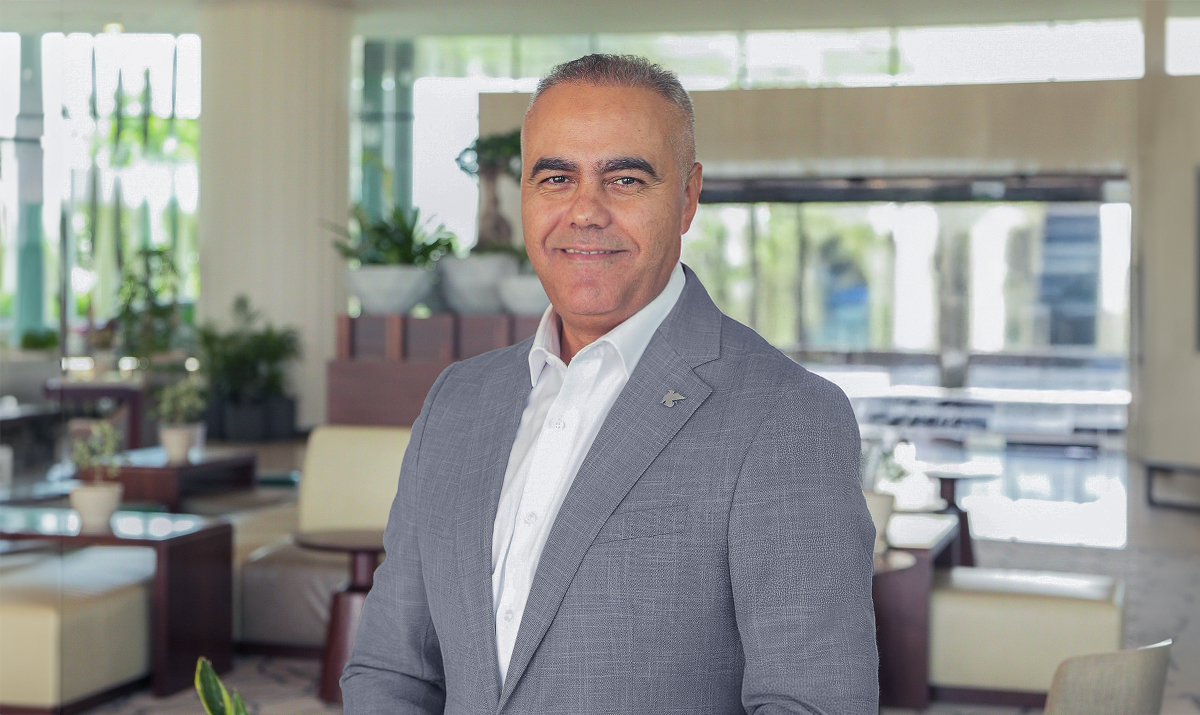
12 Feb Interview with Samir Messaoudi, General Manager of JW Marriott Hotel Muscat, Oman
In the first 11 months of 2025, the number of tourists staying in Oman’s 3-5 star hotels and resorts rose 10.9% year-over-year to 2,139,300. What is driving this surge?
The Ministry of Tourism has been very active with roadshows across Eastern Europe, Asia and, most recently India, where I also sent my team. These efforts give us great opportunities to attract guests — we promote our hotels while they promote the destination, and it works very well. From Marriott’s side, we also cross-promote with our sister properties in Europe and the Middle East, in places like Dubai and Bahrain, which also helps bring new clients to Oman.
The tourism sector is evolving with both policy and development shifts: for instance, Oman introduced a 4% tourism tax early in 2025, and high-end hotel projects such as JW Marriott Muscat and Mandarin Oriental Muscat have recently debuted. How are these advances influencing investment decisions?
Oman is considered an expensive destination — flights are quite limited and costly, while most hotels are four- or five-star. Still, we attract not only leisure travelers but also meetings, incentives, conferences and exhibition (MICE) events, as well as destination weddings, which are high-value segments. From an investment perspective, this hasn’t slowed growth. Several international hotel chains are entering the market, with new projects at Yiti Beach and even two hotels opening right next to us in Muscat. Despite the costs, confidence in Oman’s tourism sector remains strong.
JW Marriott Hotel Muscat is strategically located next to the Oman Convention and Exhibition Centre. How is Oman positioning itself as a competitive MICE destination in the region?
Oman has a strong advantage for MICE: the convention center is just 10 minutes from the airport, with two hotels on-site and several more nearby, from luxury to mid-scale. The center itself is brand new, equipped with the latest technology, and offers large capacity. What makes Muscat unique for MICE tourism is its mix of business and leisure — after meetings, delegates can reach mountains, wadis, museums or the souk all within a two-hour drive. This combination not only attracts conferences and other events but also encourages visitors to return with their families for pure leisure.
JW Marriott Hotel Muscat is LEED-aligned and Green Key-certified, reflecting its strong sustainability focus. How does Marriott’s sustainability strategy resonate with guests?
Guests appreciate our eco-friendly approach — from our organic garden and water-recycling program to eliminating plastic bottles in favor of glass. These initiatives make them feel good about their stay and influence their choice of hotel. Sustainability is a core focus for Marriott globally, and each year we set higher goals to reduce our footprint.
How popular is Oman with US tourists and investors?
We don’t see many American tourists at the moment, mainly due to limited connectivity. Most visitors from the US come for government or state visits, through the US Chamber of Commerce, or are already based in the region — in Qatar or the United Arab Emirates — and visit Oman for a break. We also host US corporate travelers from Europe or regional projects. Cruise ships also bring some Americans, but only for short one- or two-day stays. With better flight connections, I believe we would see many more travelers from the US.
US investment in Oman’s tourism sector is still at an early stage. Most American involvement is through operators like Marriott, which already has six hotels here. At present, direct US investments into Oman remain focused on oil, gas and green energy. The majority of current investment comes from within the region — Saudi Arabia, the UAE and Qatar, although the upcoming Trump-branded luxury resort could help attract more US investors. The US-Oman Free Trade Agreement also creates opportunities for greater business and tourism investment in the future.
Oman presents visitors with diverse offerings: from eco-tourism to heritage tours, wellness retreats and coastal experiences. Which aspects of the sultanate do you believe have most appeal for US travelers?
US and luxury travelers look for unique experiences, and Oman is perfectly positioned for that with its mountains, desert and the Ad Dimaniyat Islands. The country’s focus on sustainability in new tourism projects also aligns with what Americans value. Oman’s natural beauty and green environment make it an ideal destination for this market.
Travelers praise Oman’s authenticity, hospitality and scenic variety. How does Marriott capture and reflect these attractions?
Showcasing Omani culture is a big focus for us. In our all-day dining, we dedicate a night to Arabic and Omani cuisine. Guests are welcomed with local coffee and dates from our own trees, and our front-of-house team is entirely Omani. While we are an American brand, we’ve embraced the authenticity of Oman, surrounded by its mountains and nature.
You joined JW Marriott Hotel Muscat as general manager in 2025, bringing extensive global leadership experience. What is your vision for the hotel?
We have a clear plan to attract more tourists. Marriott Bonvoy, our strong loyalty program, brings many guests, while our participation in international roadshows helps us reach new markets. Though we are primarily a MICE hotel, we are also focusing on leisure, families and staycations. Our Family by JW program, kids’ facilities and diverse dining options make us very family friendly. We also promote destination weddings from India and the UAE, showcasing our venues through familiarization trips. With offerings that range from Asian and Arabic cuisine to South American flavors and a signature steakhouse, our food and beverage outlets appeal to every palate and attract both travelers and local residents.
Having sufficient talent is a key challenge for Oman and beyond. How do you evolve your workforce and ensure staff deliver the best experience?
Training and development are a big focus for us. Everyone has a personal growth plan, with mandatory Marriott courses and internal programs to build skills and take on more responsibility. In recent months, we have promoted many team members and supported transfers within the Marriott network across the region. We also encourage cross-department learning for example, sales and marketing share insights with food and beverage, and our engineering director educates teams on sustainability initiatives. These programs keep our staff motivated and engaged.
What would you like to say to readers considering traveling to Oman?
Oman is very safe, and the people are friendly and hospitable. The country offers rich, though lesser-known, Omani cuisine and incredible natural beauty — from wadis and caves to hiking and other outdoor activities. It is an ideal destination for a vacation.